ABOUT OUR NAME
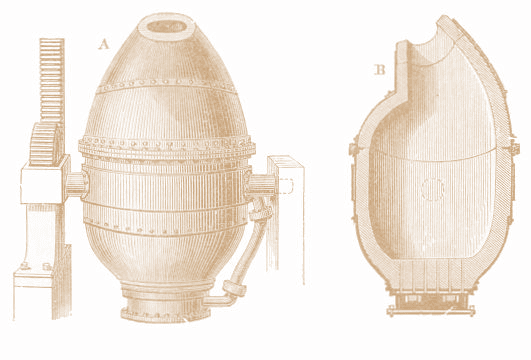
The Bessemer Process came about during the second half of the 1800s and revolutionized the steel industry. The Bessemer Process allowed for steel to be mass produced for the first time in history, earning the nickname “Steel City” for Pittsburgh. While steel was being produced in the heart of the city, American Rye Whiskey production dominated the outskirts. Bessemer Whiskey is made the same way as the whiskey found in those pre-prohibition bottles. Bessemer is an homage to Pittsburgh’s rich history in both steel and spirits.
ABOUT OUR SPIRITS
Our Whiskey is proudly Pennsylvanian. Bessemer is produced exclusively from recipes, methods, and ideas from Western Pennsylvania’s golden age of whiskey production. By working with Pennsylvania farmers and local maltsters to source heirloom grains, we create a liquid from a time when agriculture was a close ally to the distilling industry.


Our Process
All About the Grain
We start out with heirloom varietals of rye and corn all grown exclusively by farming partners in Pennsylvania. The raw grains are milled and mixed with hot water to gelatinize at a low cooking temperature of 180F (for Rye) or 200F (for Bourbon). This lower cooking temperature allows us to retain more of the unique aromas of our heirloom grain varieties such as Keystone Rosen Rye, Danko Rye, and Hickory King Corn.
After 20-30 minutes of this initial grain cook, the mix is cooled slightly to 148F and we add our malted grains (rye, barley, and/or wheat) which have natural enzymes that break the starch chains down into fermentable sugars. The sugar breakdown takes about 45 minutes after which we will cool everything down to 80F, pump the liquid and grain slurry into one of our fermenters and add yeast. After 96 hours, our yeast will have fermented our sweet grain liquid into a distiller’s beer of 8.4% abv.
The Stripping Run
Our beer is then pumped into a 1500-gallon pot still and the heat is turned on. This first distillation is what we call a “stripping run” and produces about 500-600 gallons of a whiskey-like liquid called low wines at around 23% abv. Our low wines smell nice but they ain’t whiskey yet. So, we load the low wines back into the still and redistill them. This second distillation is what we call the “spirit run.” And it’s with this distillation where our distillers exert their skill on deciding which flavors and aromas wind up in the final distillate. They do this by making “cuts” to the spirit. But there are no knives involved in this kind of cutting.
The Cut
The first bit of distillate to come off the still is what we call “the heads.” It’s pretty solvent-like smelling stuff and not something that you’d want to quaff out of your Bessemer logoed whiskey glass. So, the distiller will sit next to the still, smelling the spirit and checking its alcohol content. Eventually all those solvent aromas give way to really pleasant and sweet grain aromas. When that happens, the distiller will “cut” the spirit by redirecting the flow of liquid to a different tank. This nice smelling stuff is what we refer to as “the hearts” and it’s what will go into one of our empty and waiting whiskey barrels. But the hearts don’t last forever. After a few hours the character of the distillate will evolve into something funky and kind of sour. It’s at this point that the distiller will make a cut from hearts to “the tails” which is the final distillate fraction.
Barrel Aging
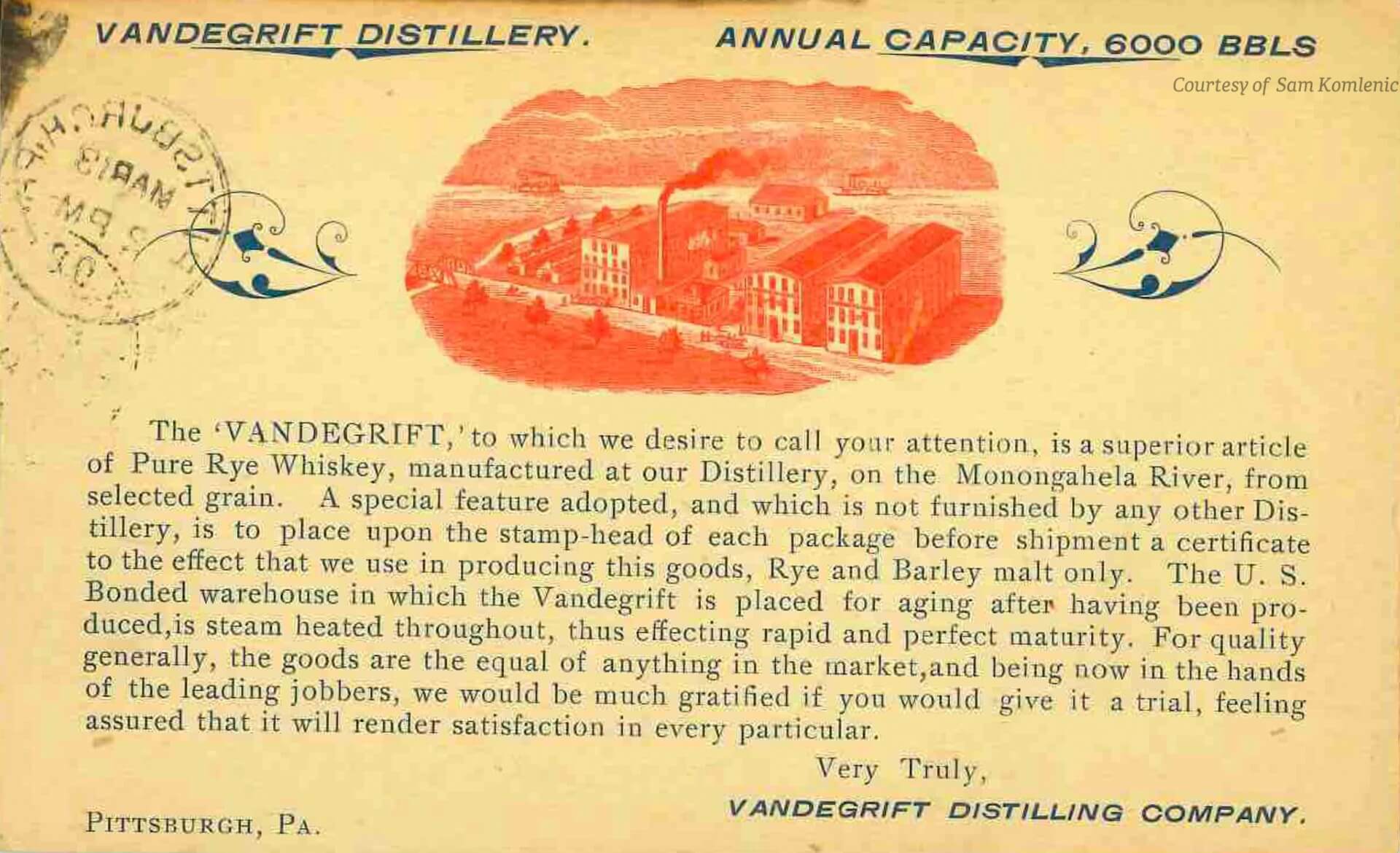
Once we’re in the barrel warehouse, things move at a more relaxed albeit sweatier pace. Our new make spirit is diluted from 69% abv to 50.5% abv and filled into one of our heavily toasted and charred Pennsylvania oak barrels. The low entry proof allows us to extract more color, wood sugar, and wood aromas into our spirit. The barrel is then racked into our steam-heated warehouse where temperatures are never allowed to dip much below 80F (and can reach well above 100F during the summer months). Sitting there in the heat, the whiskey evolves over several years into something big, bold, and entirely Bessemer.

All Locally Grown and Sourced Grains

History of PA Whiskey
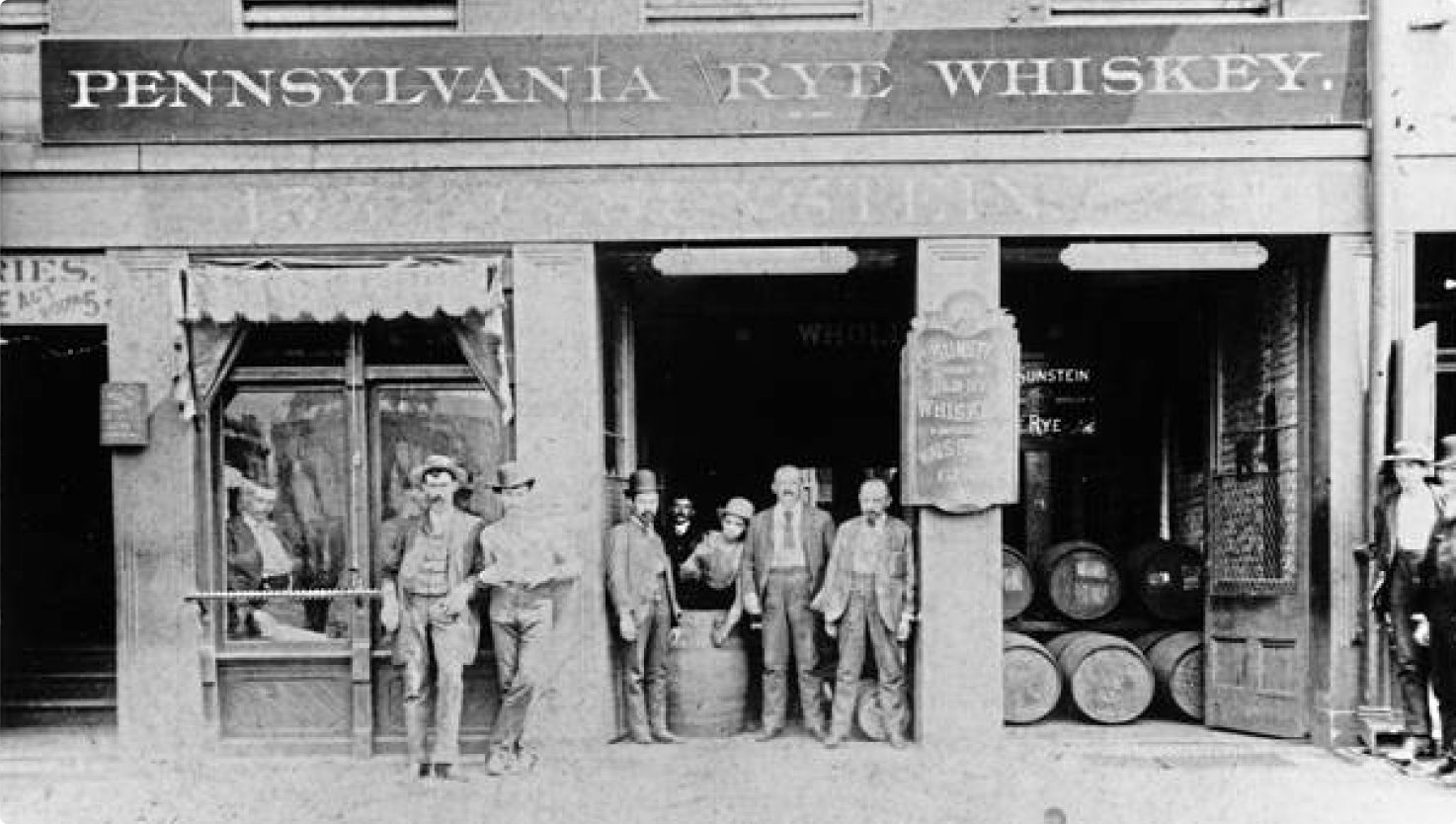
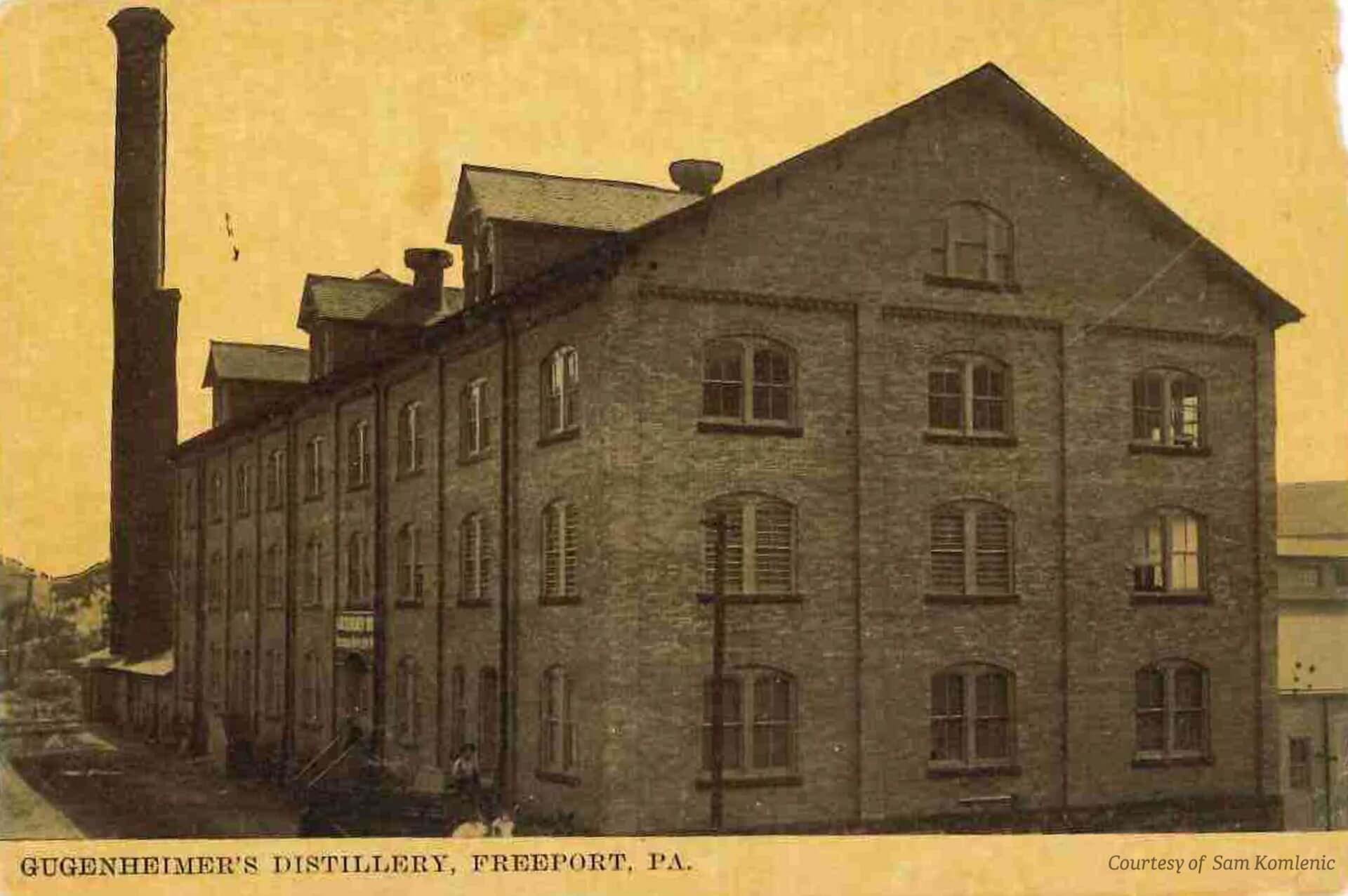
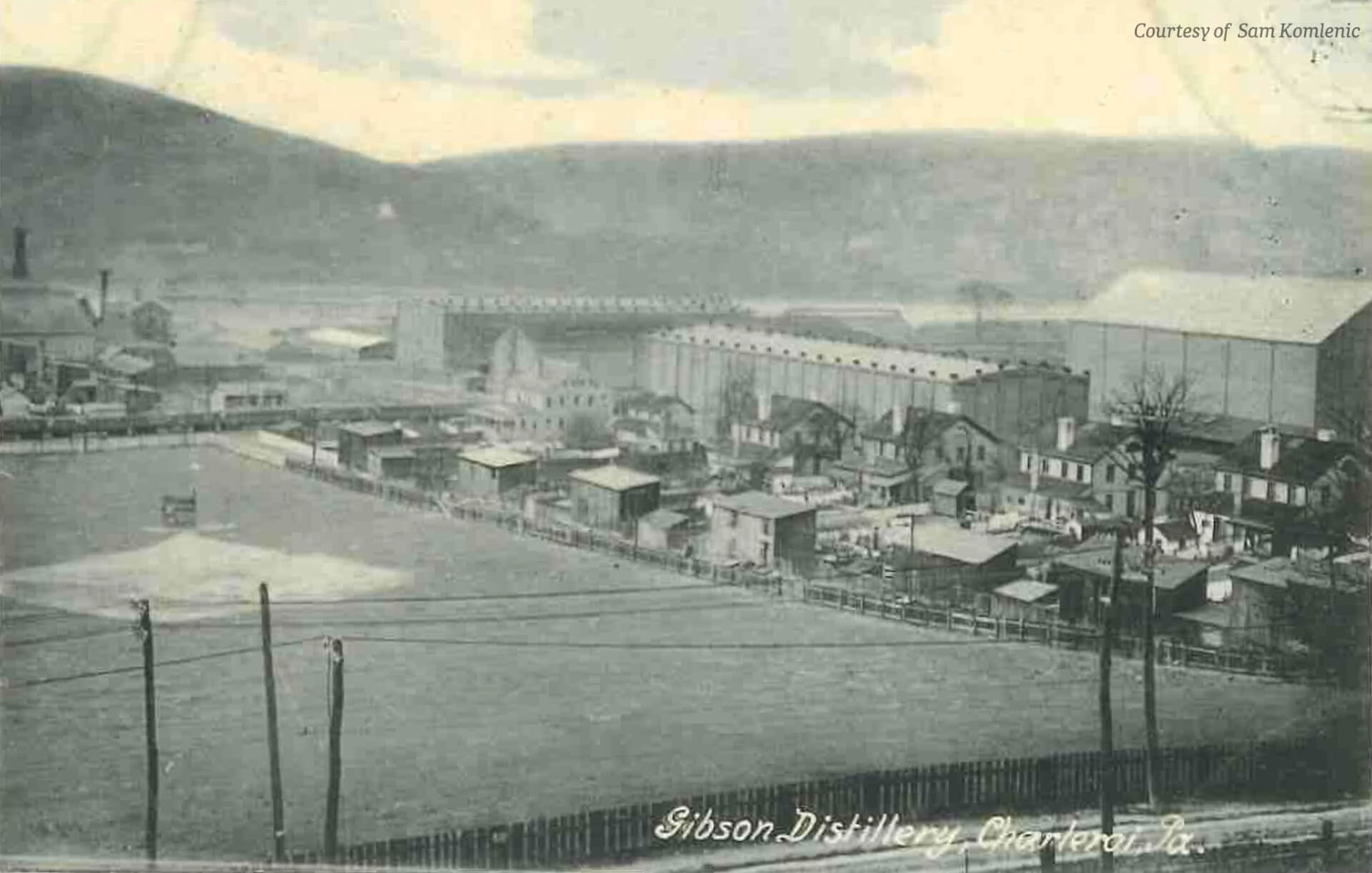
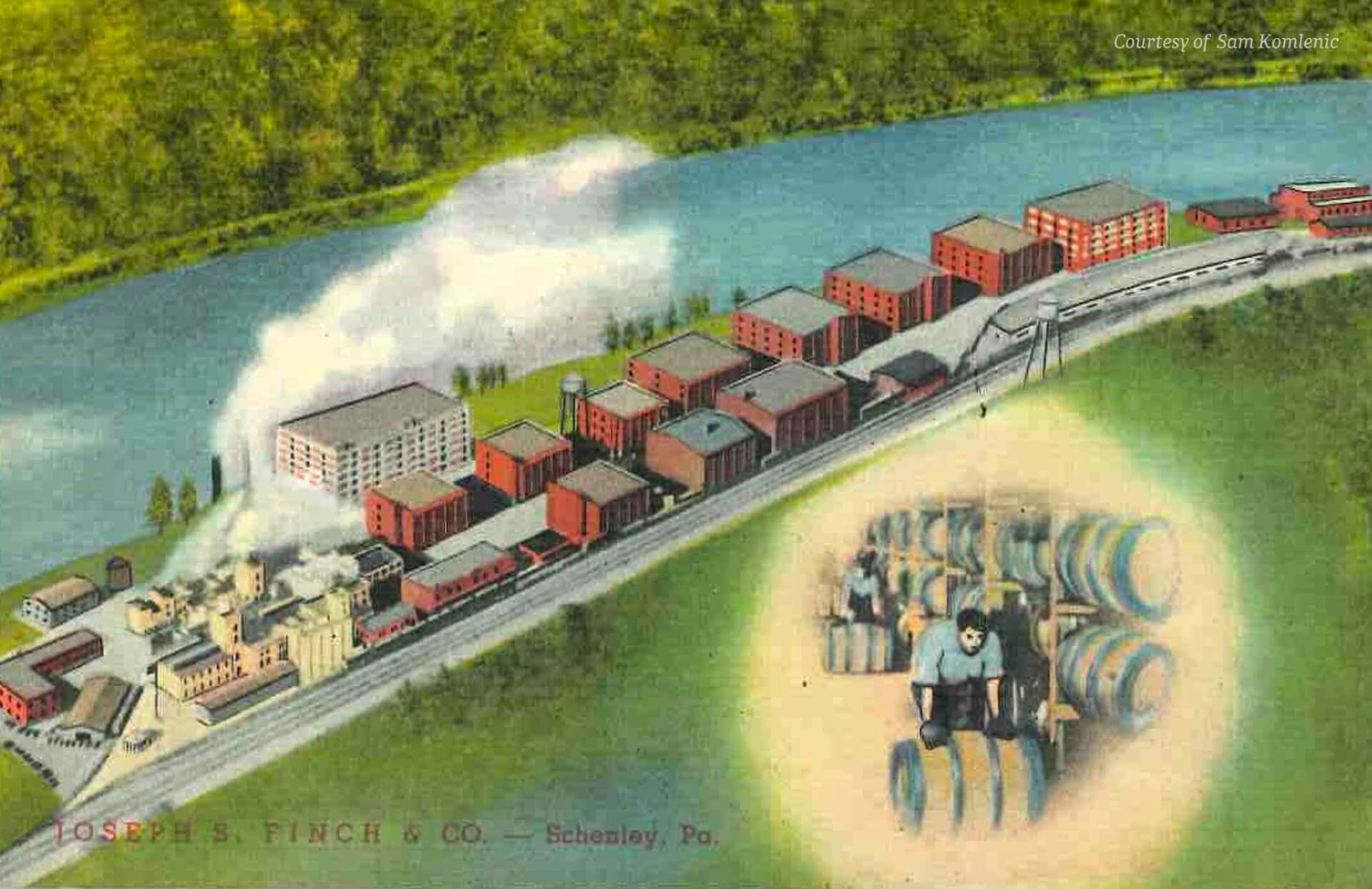
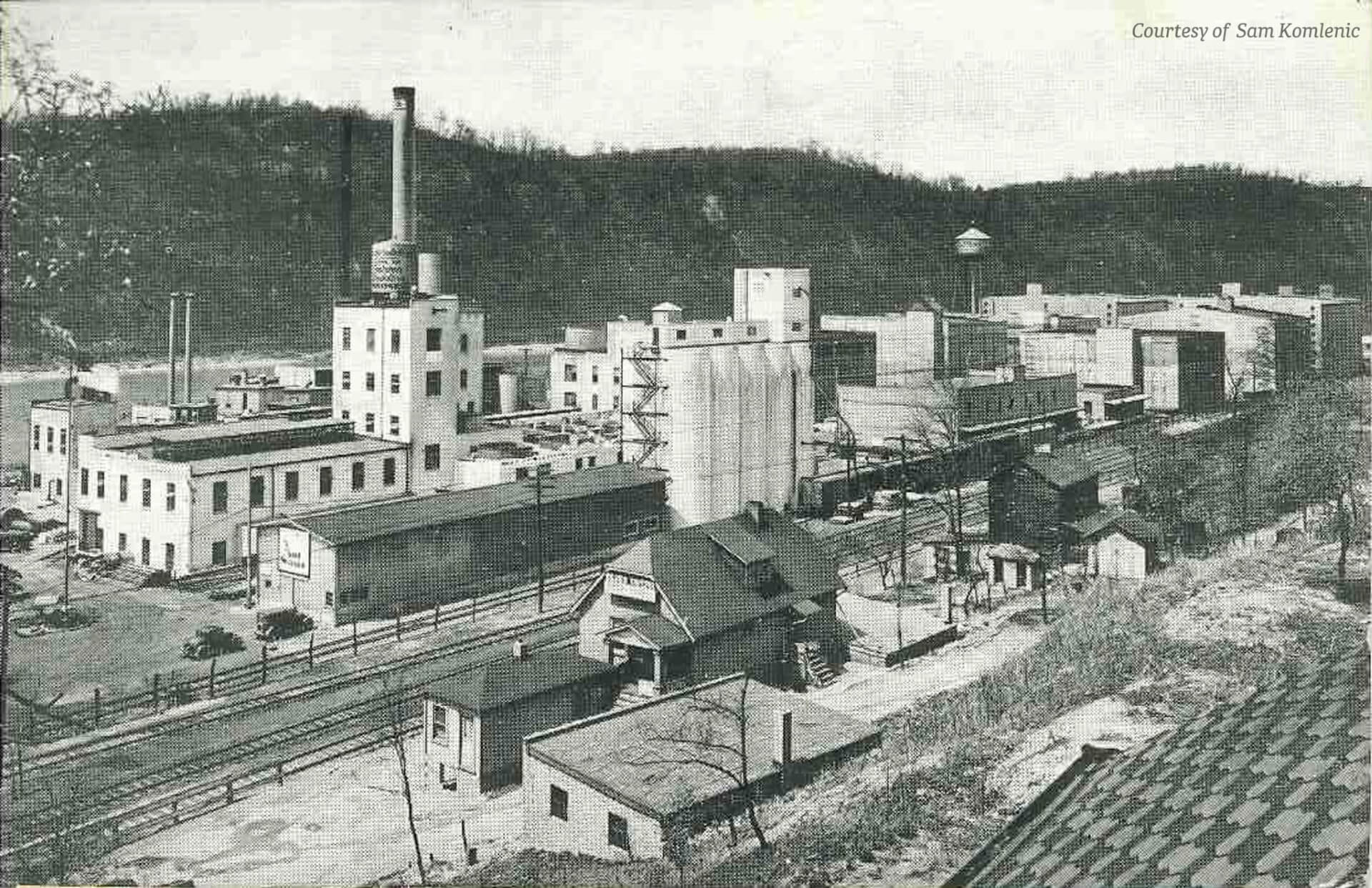
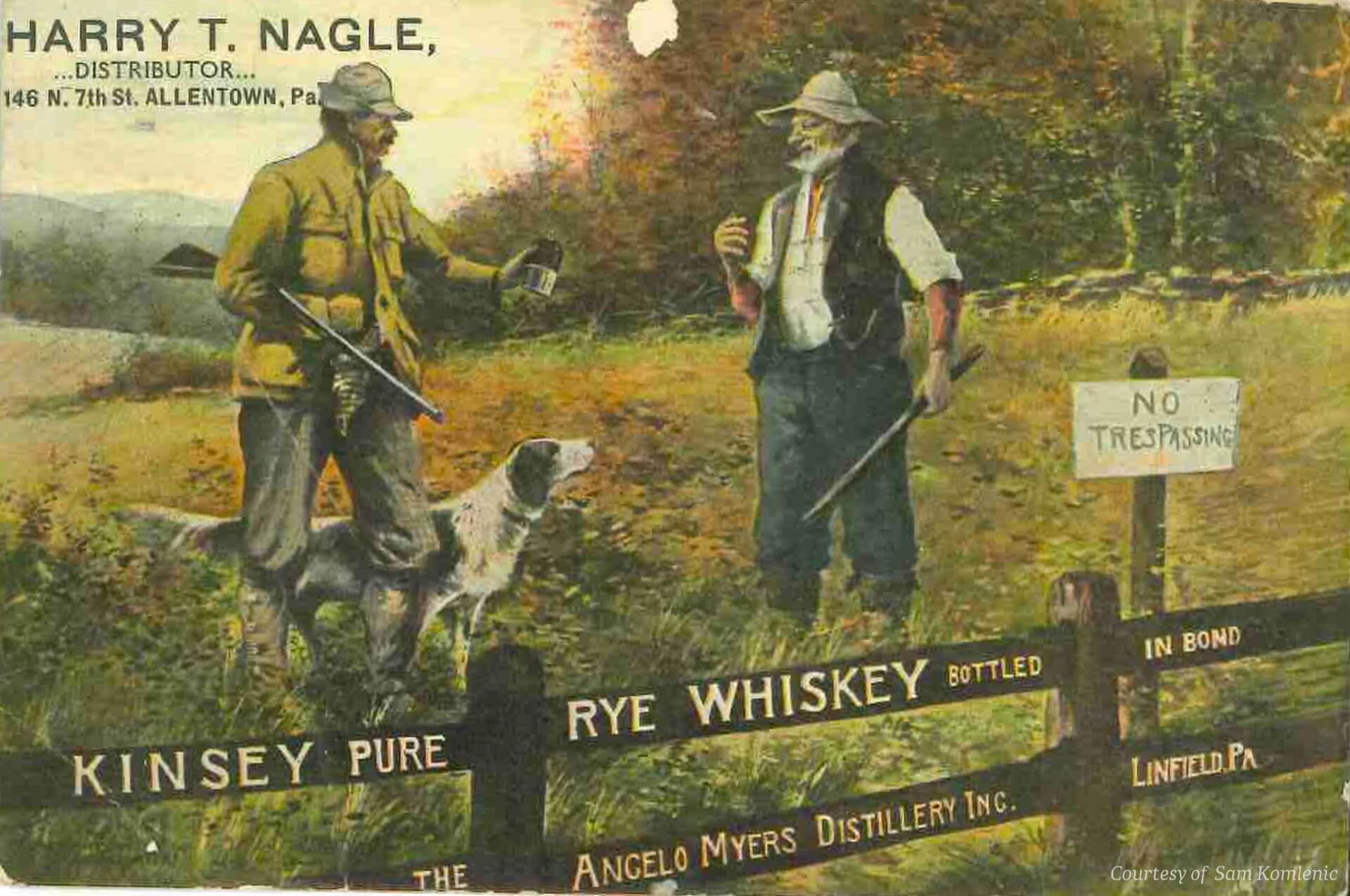
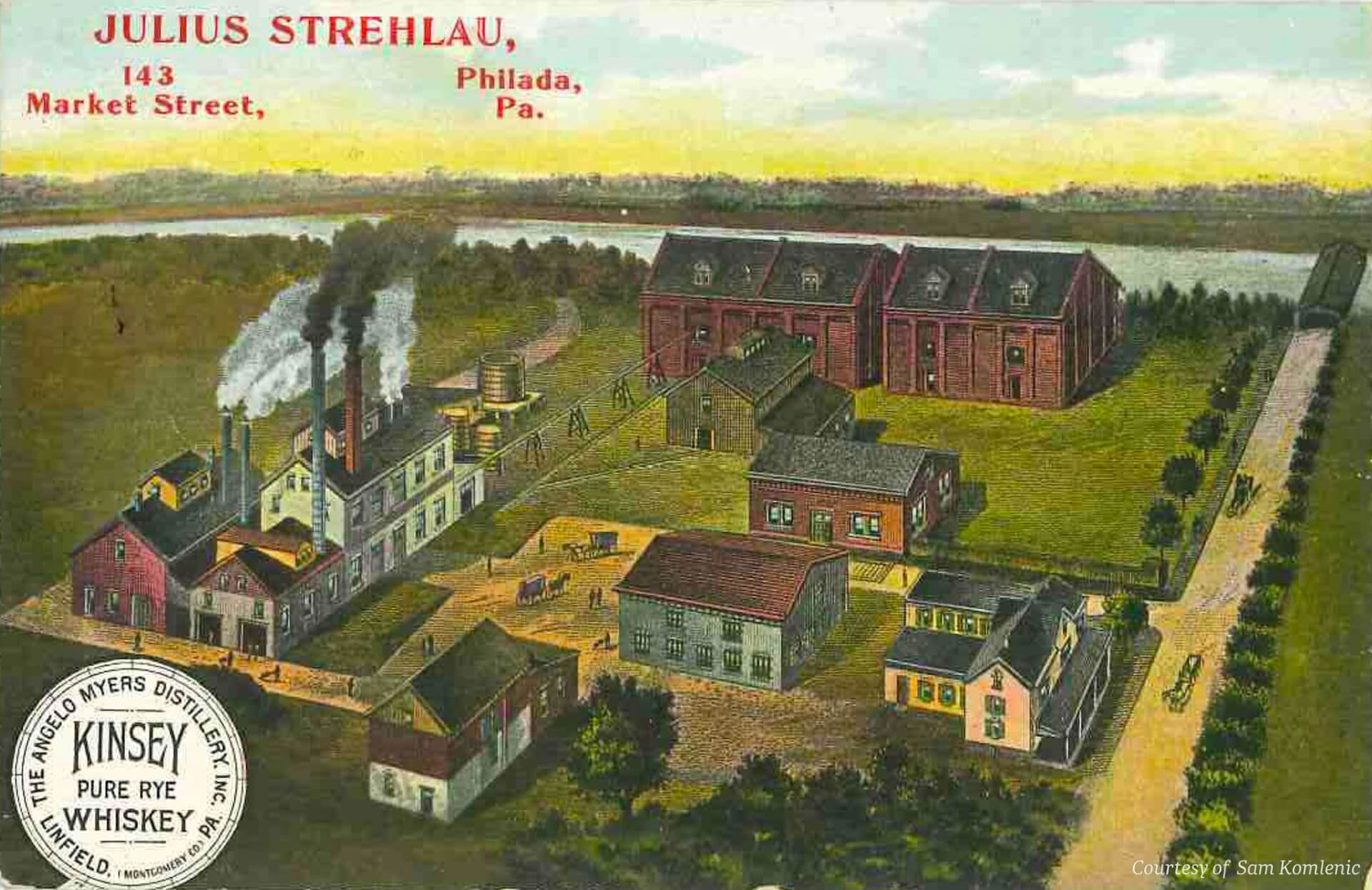
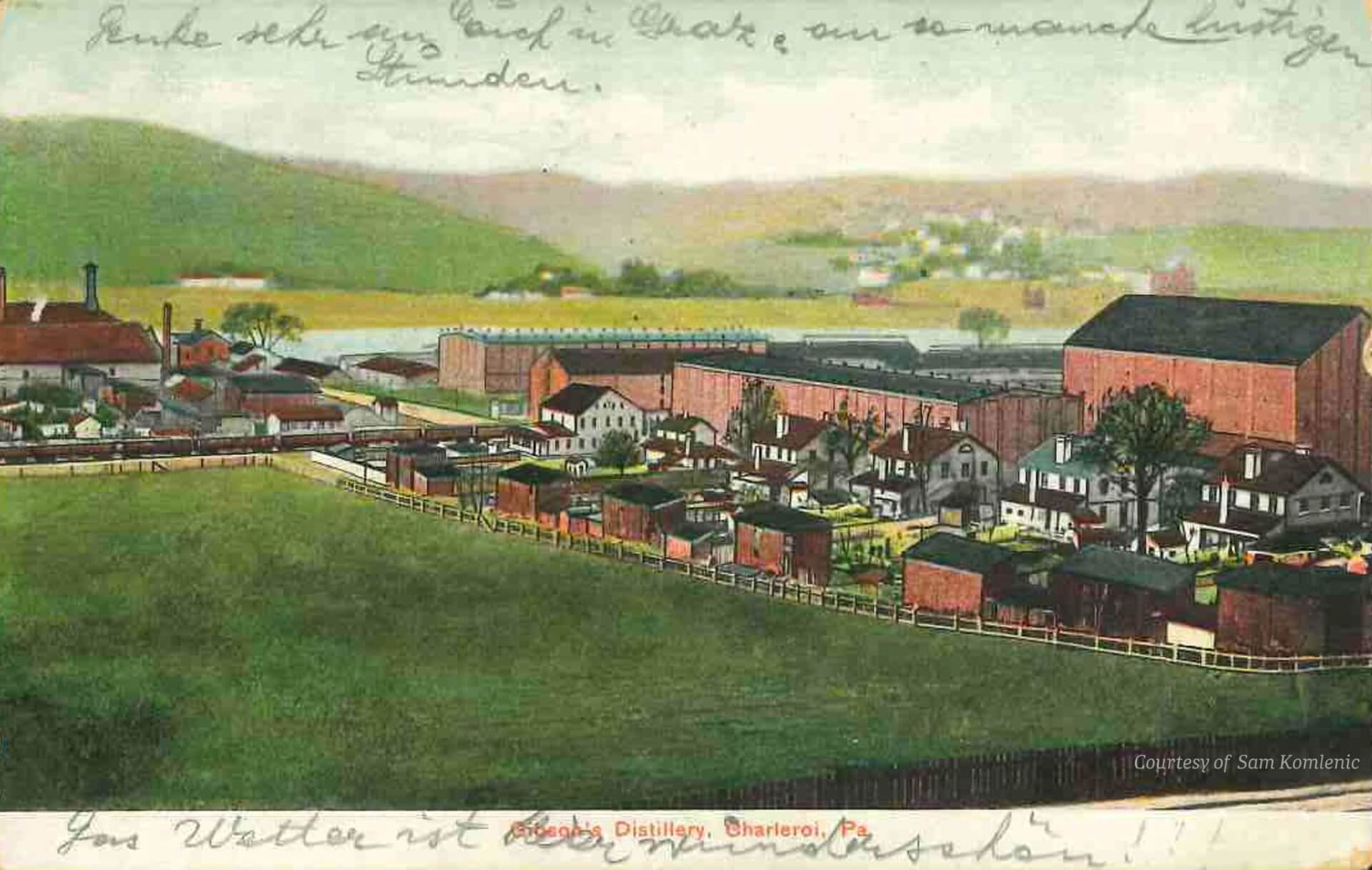
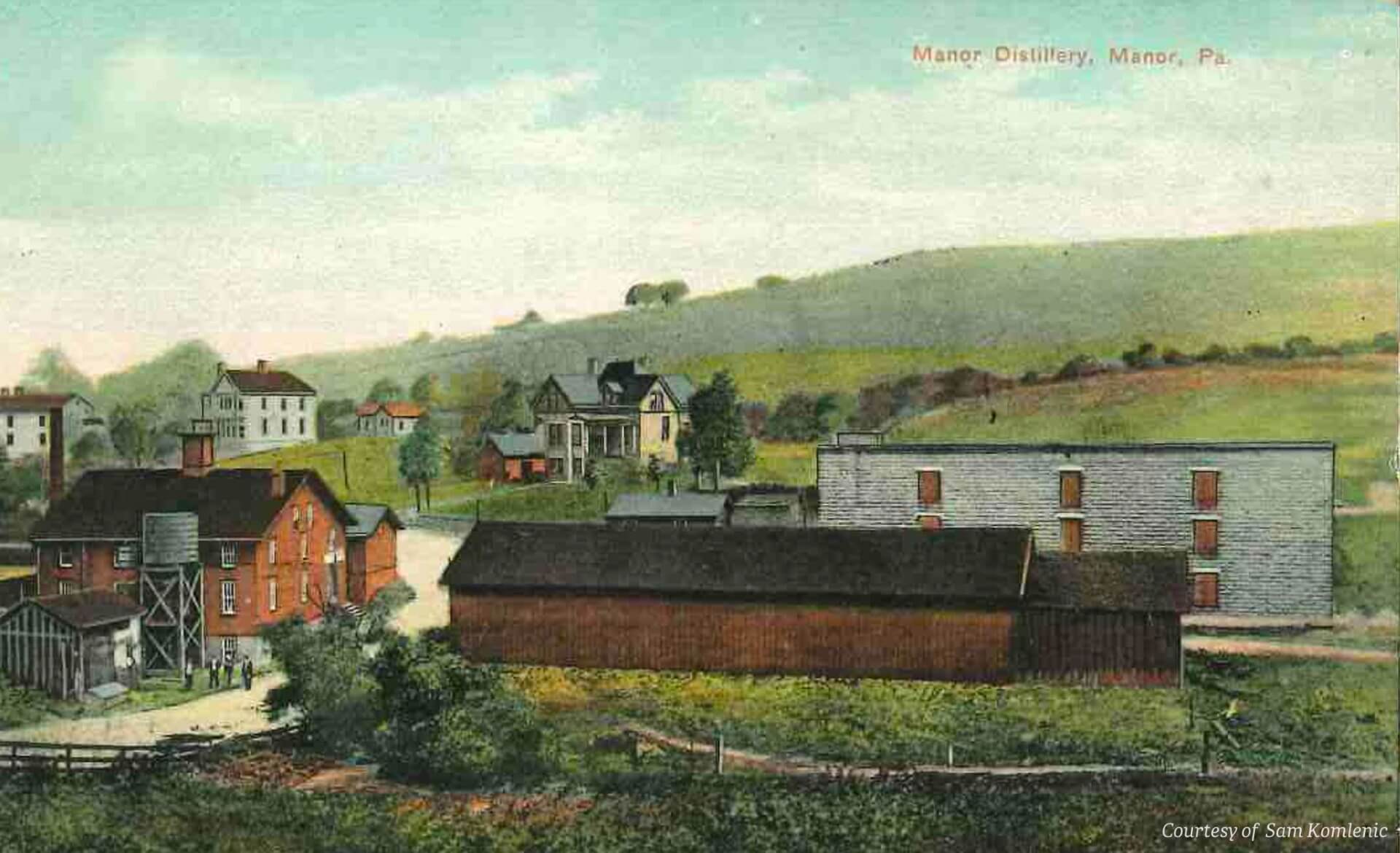
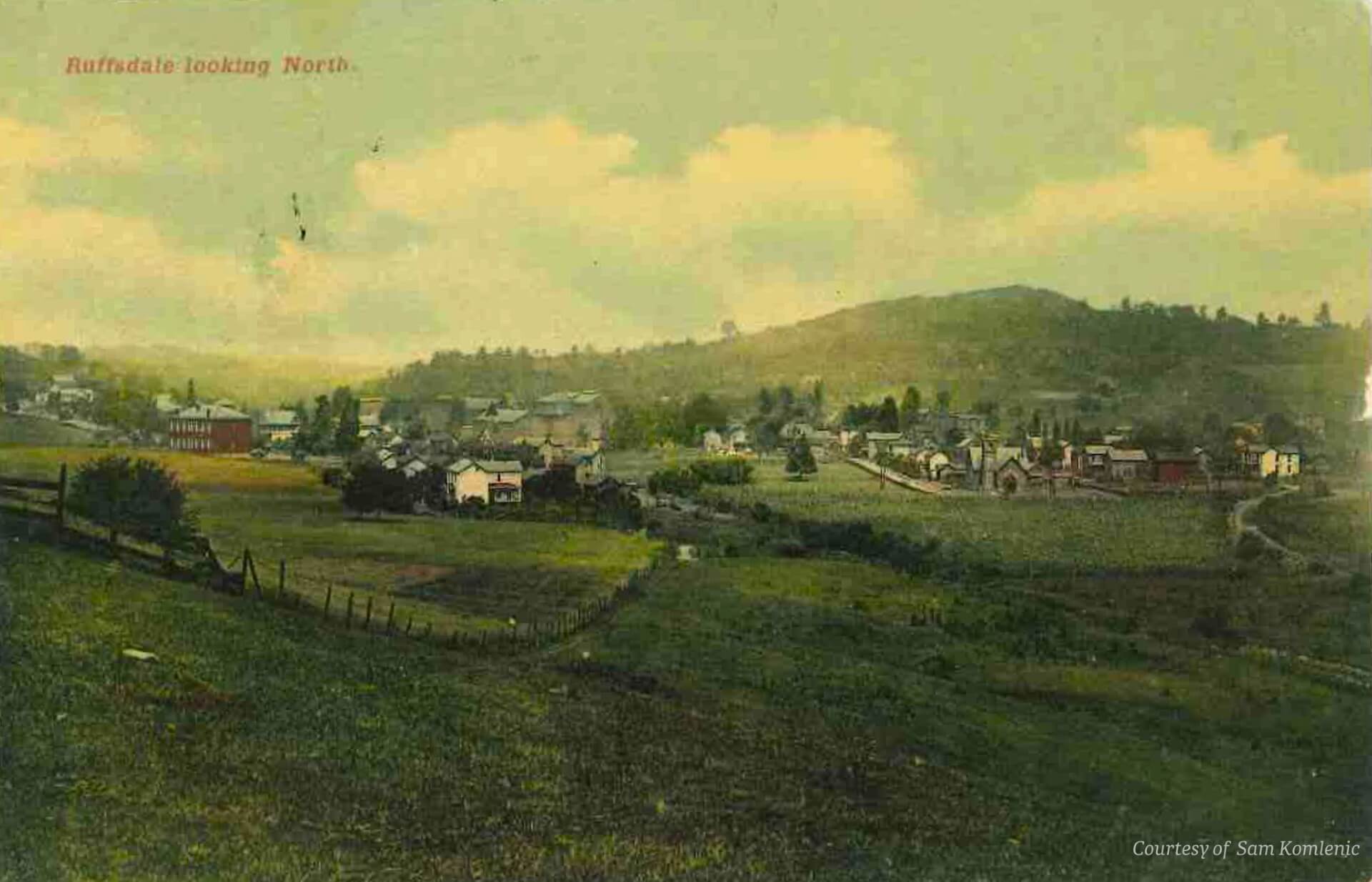
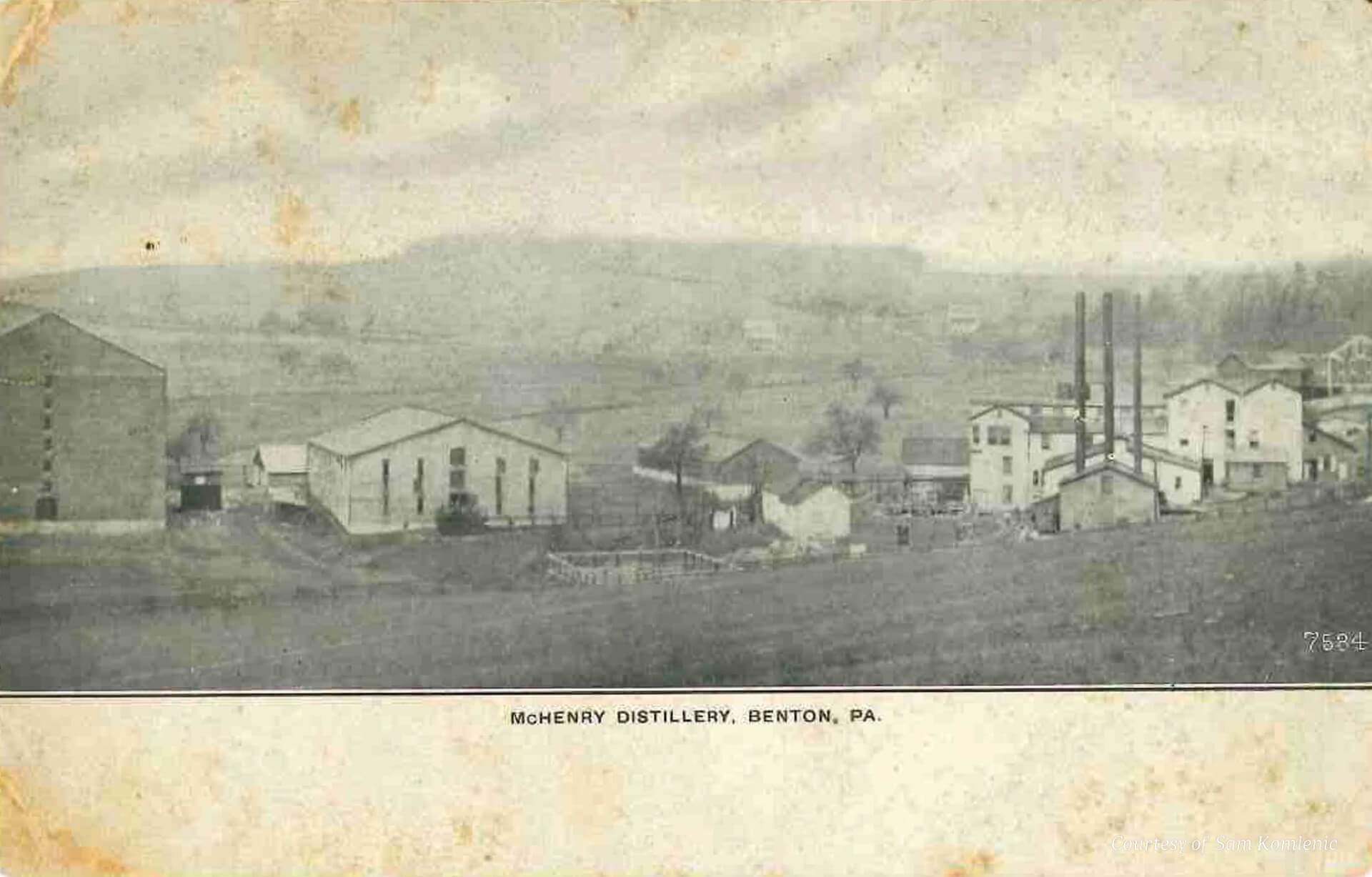
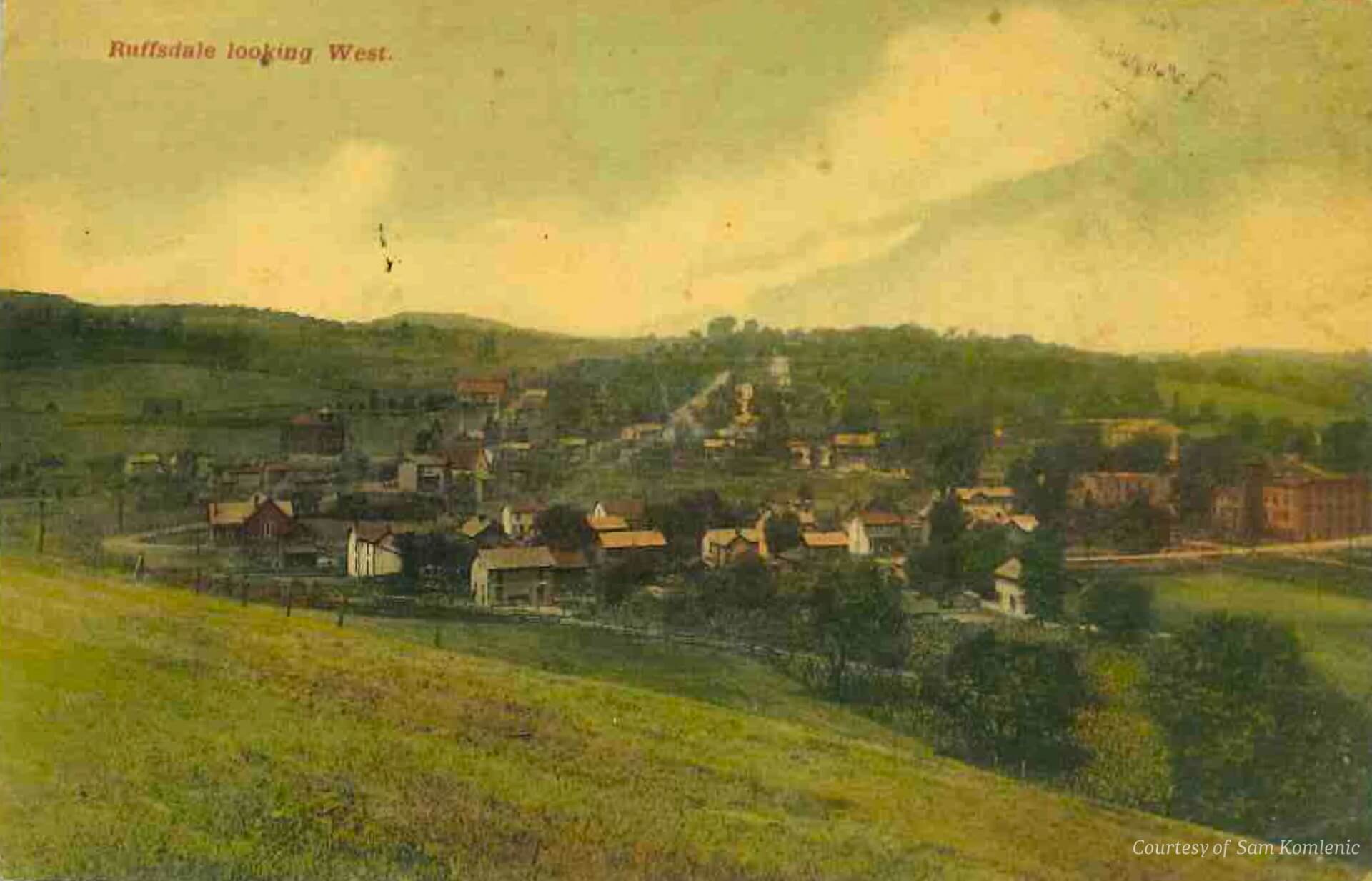
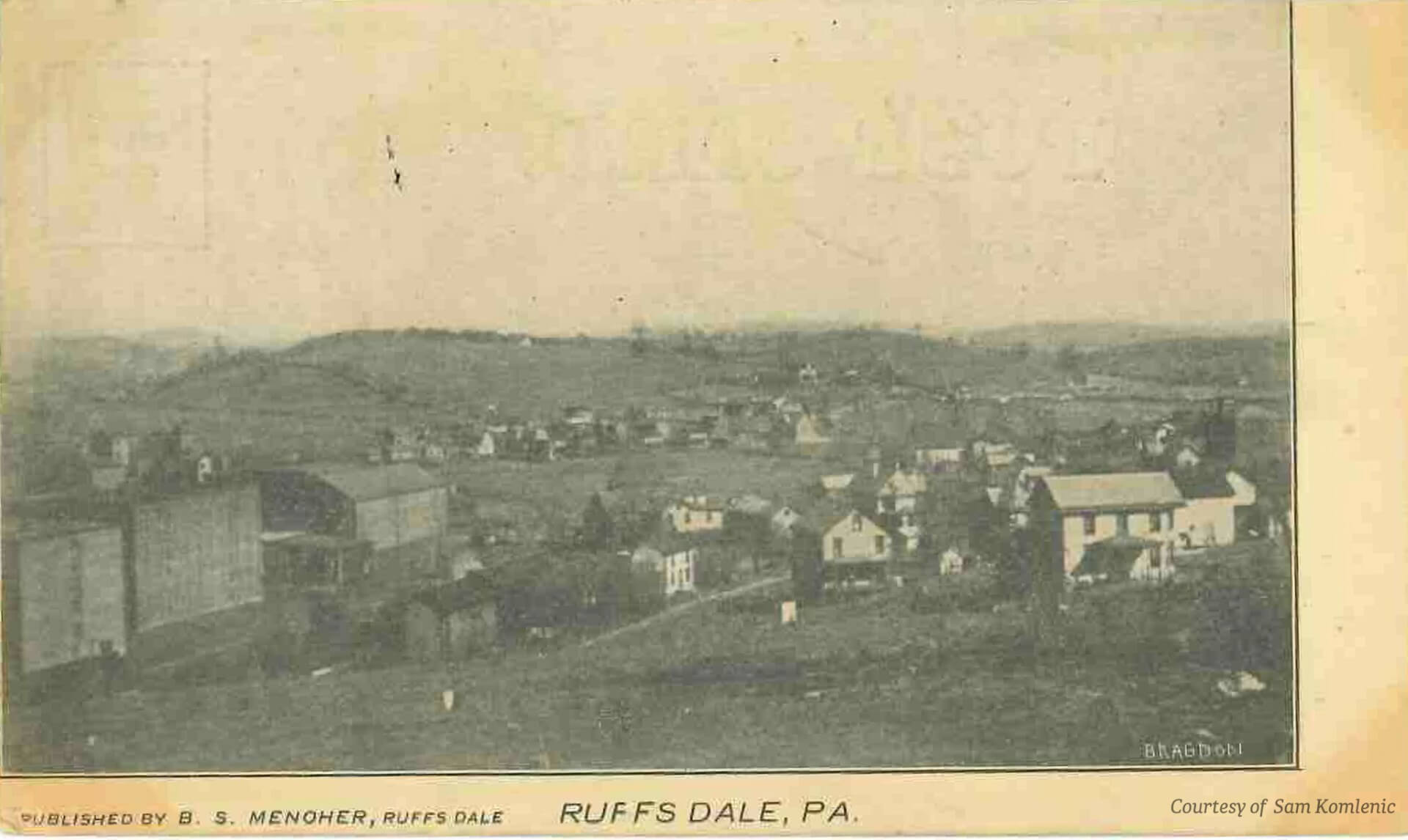
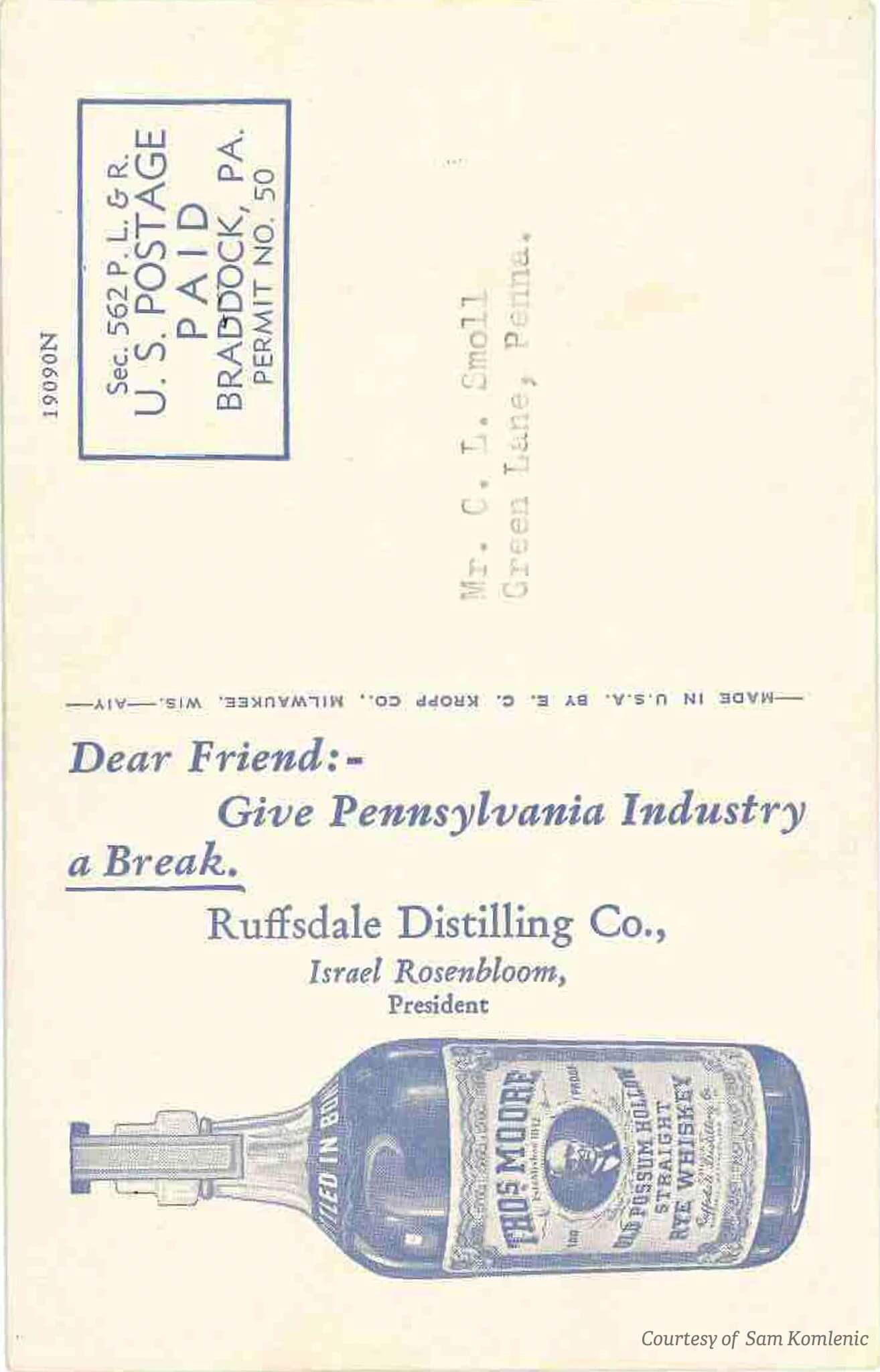
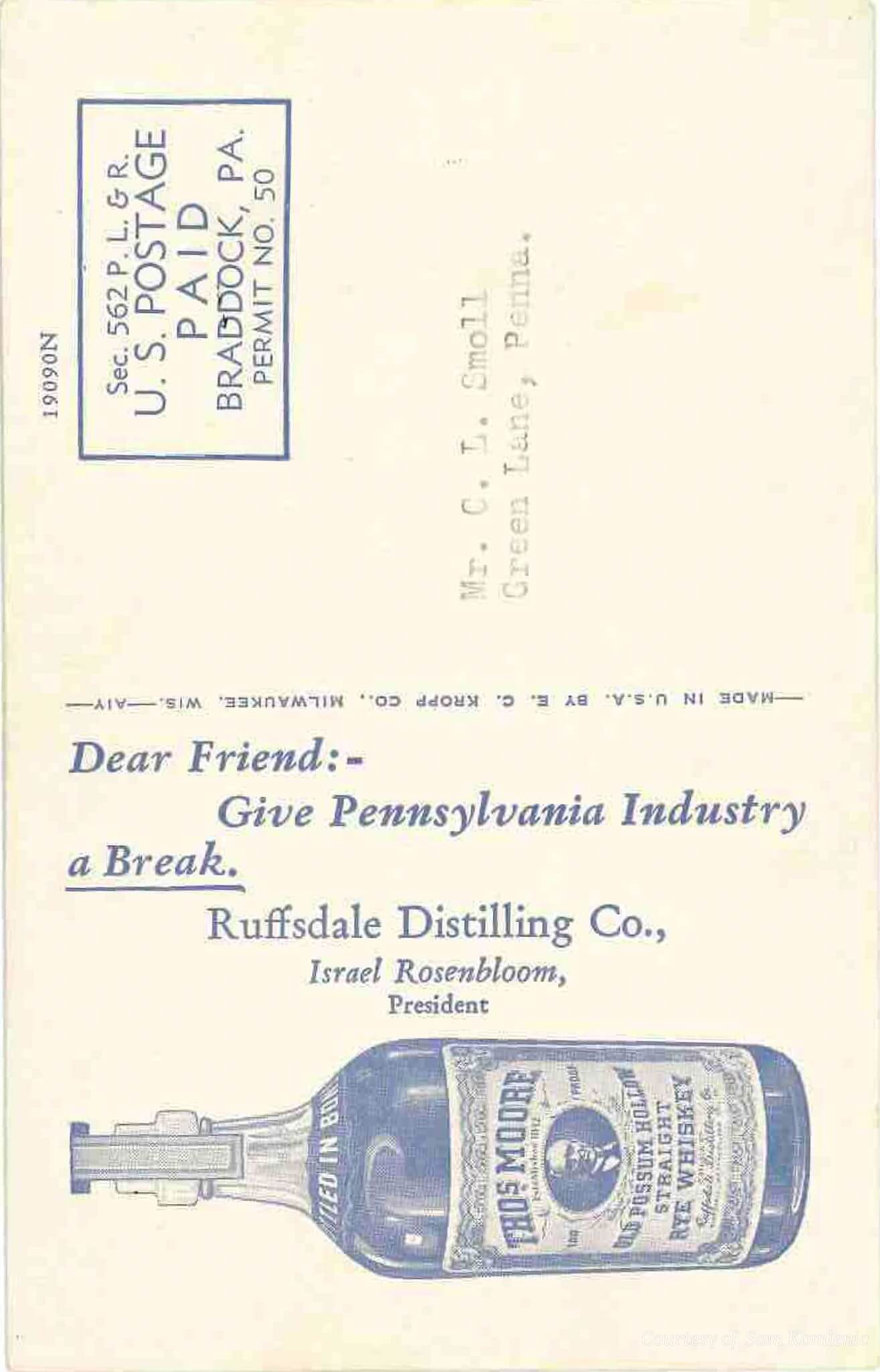
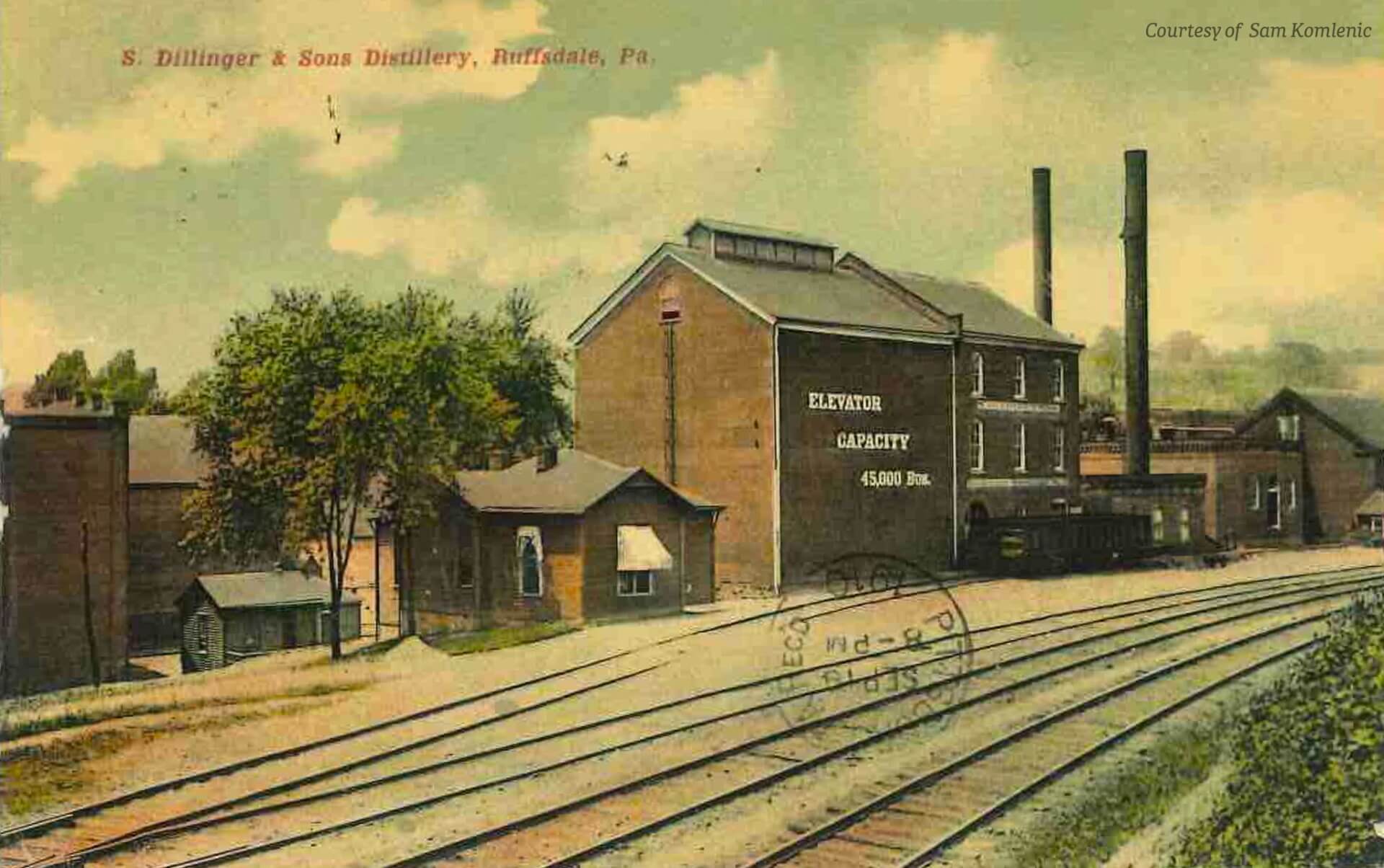
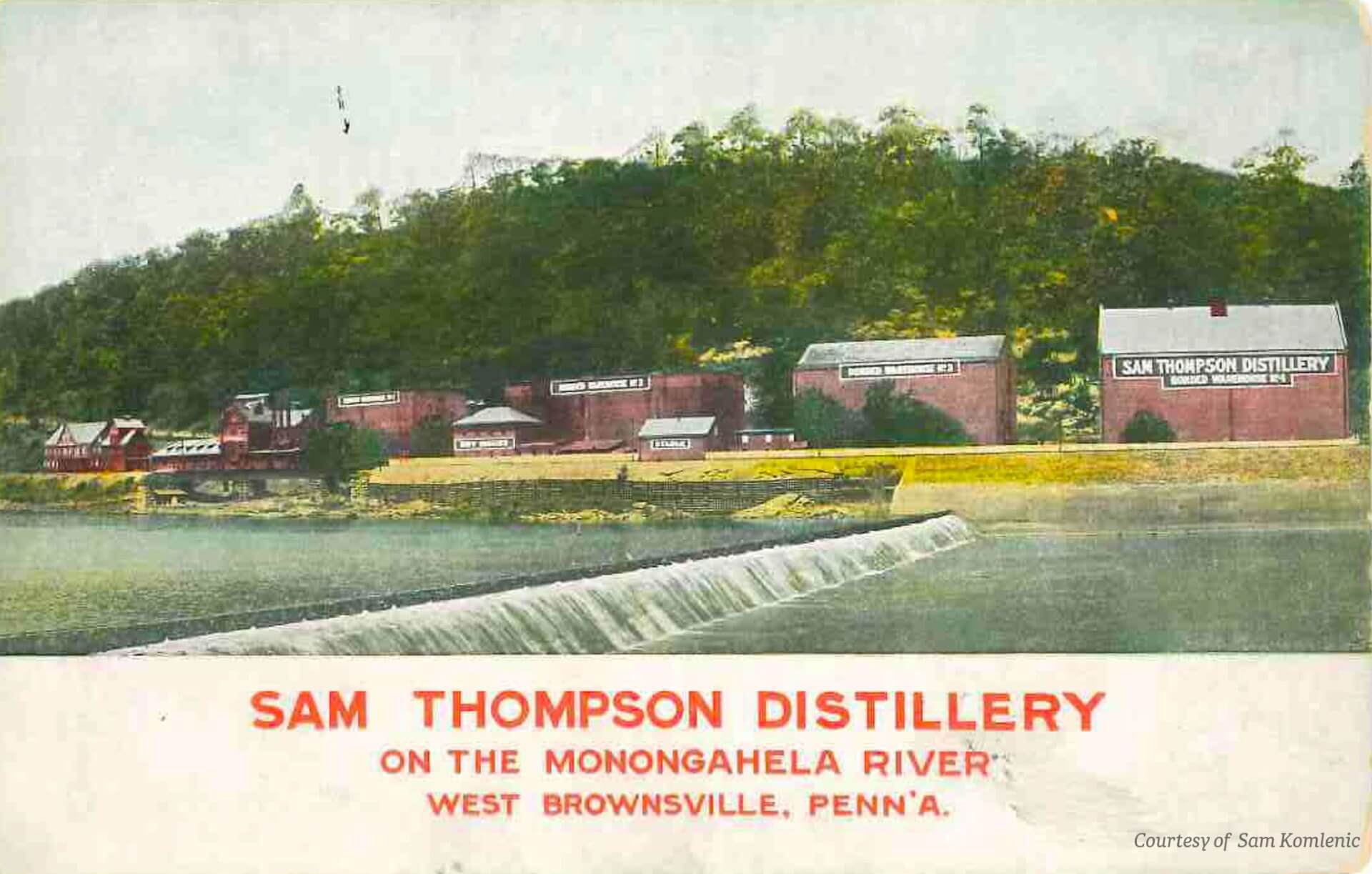
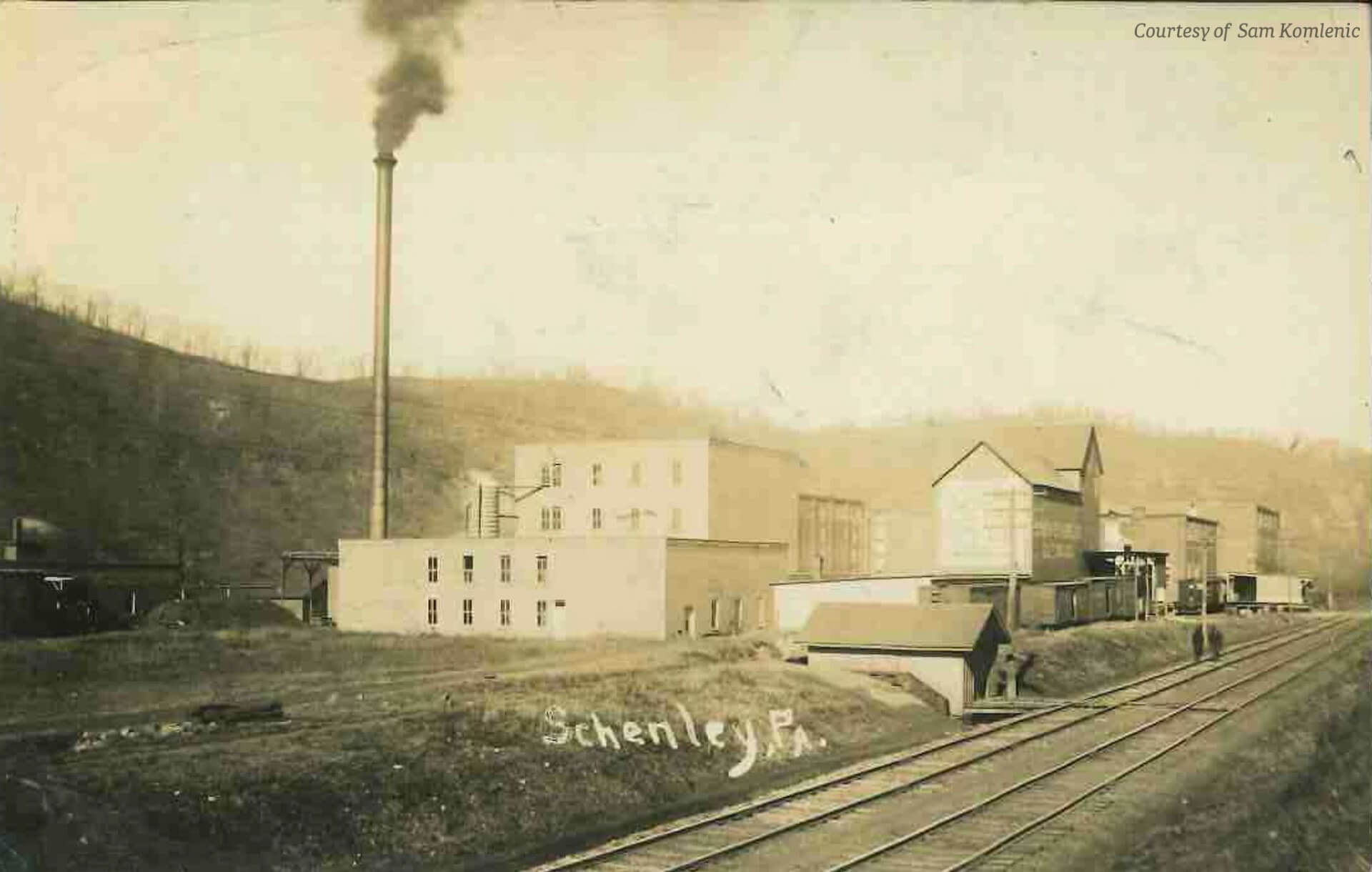
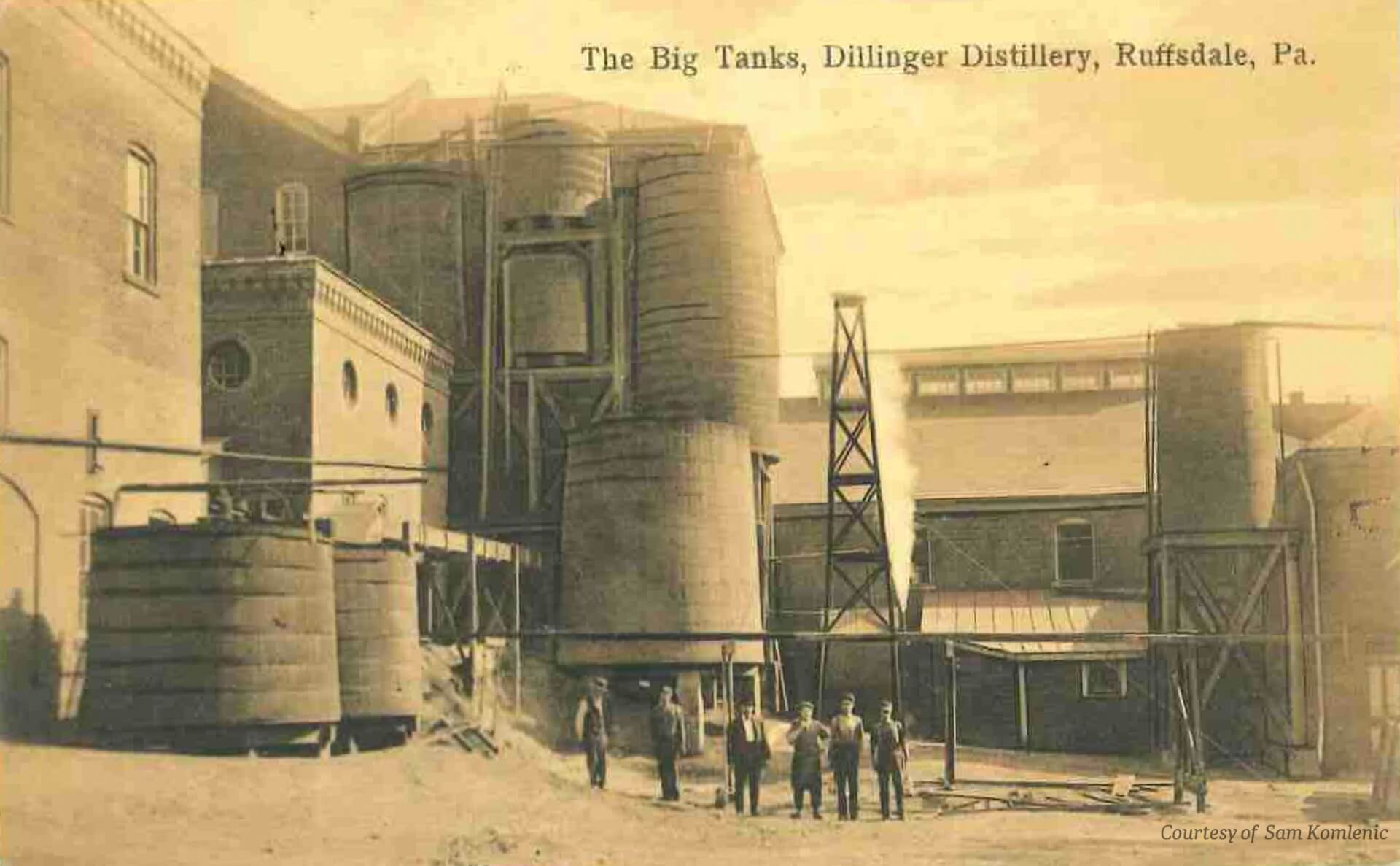
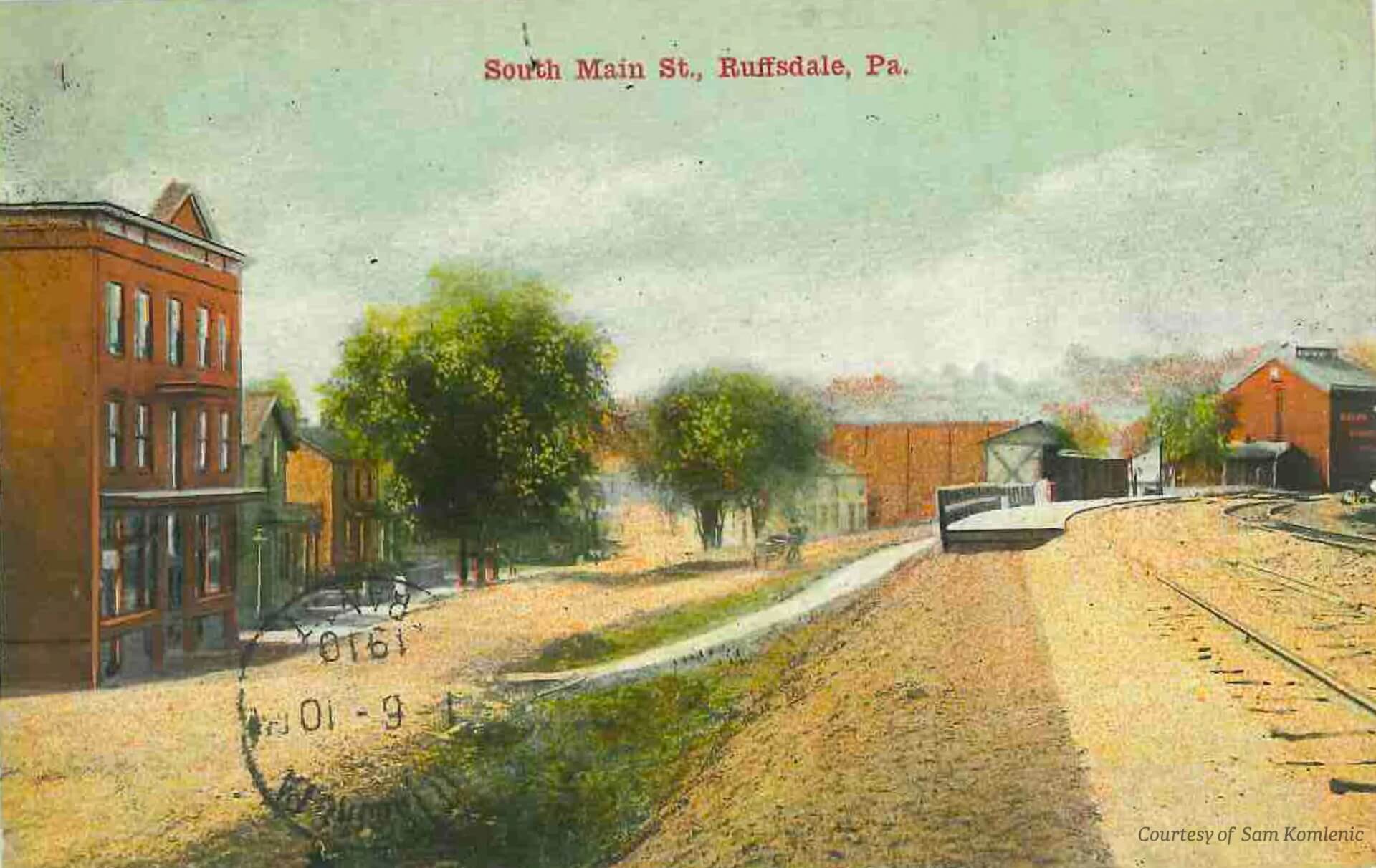
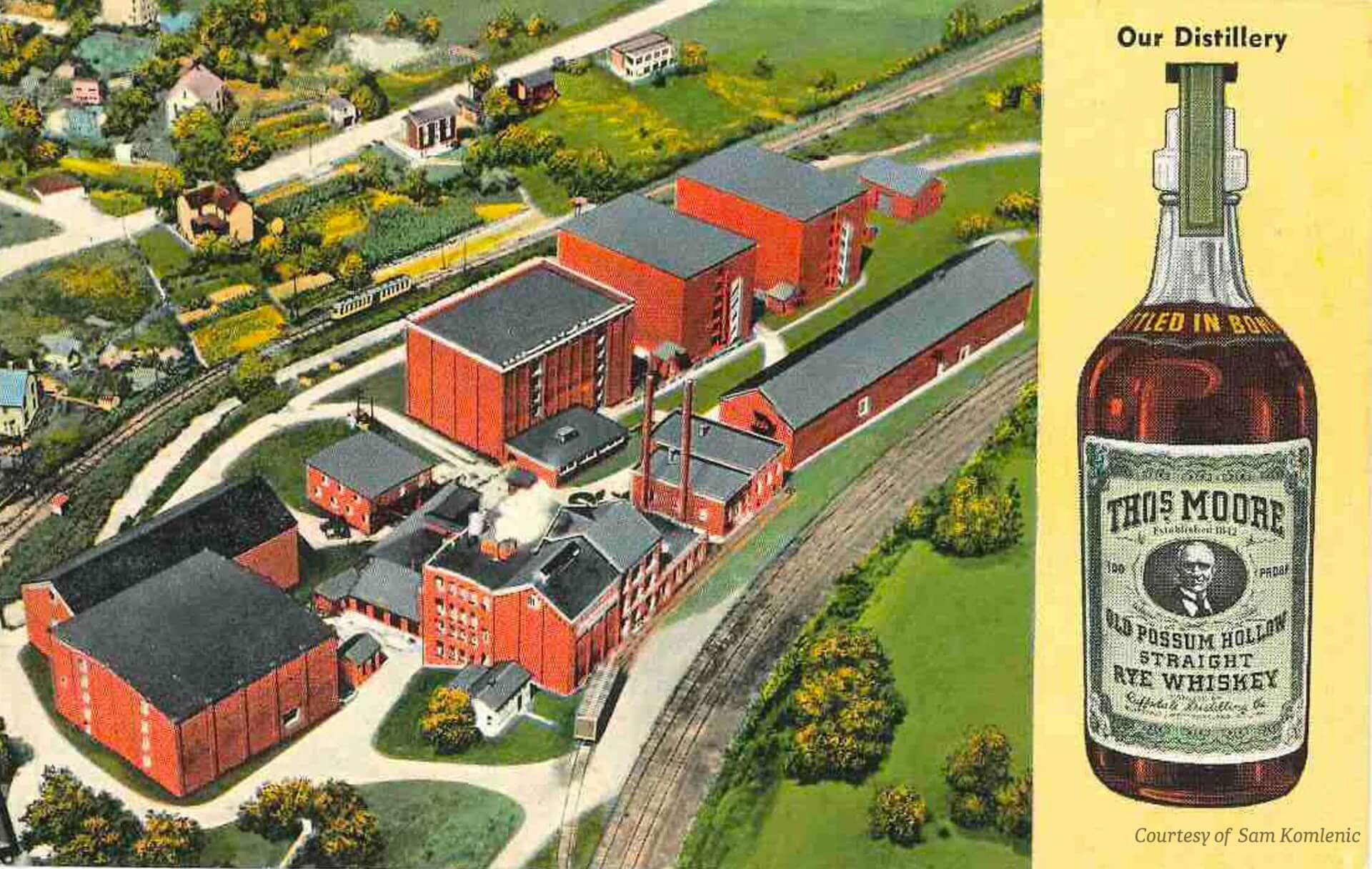
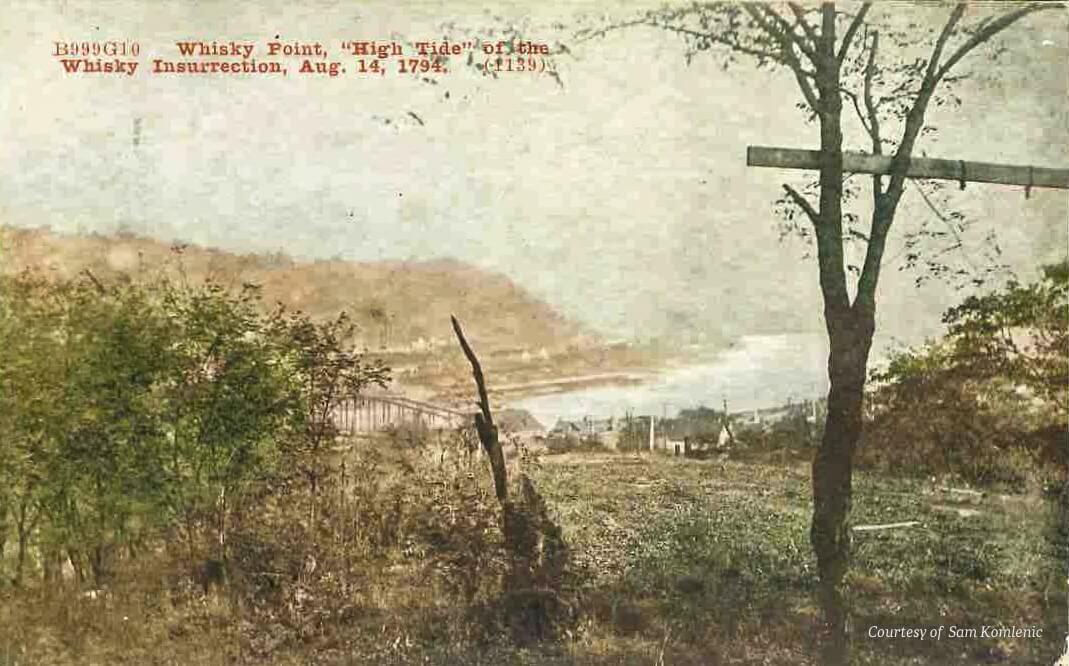
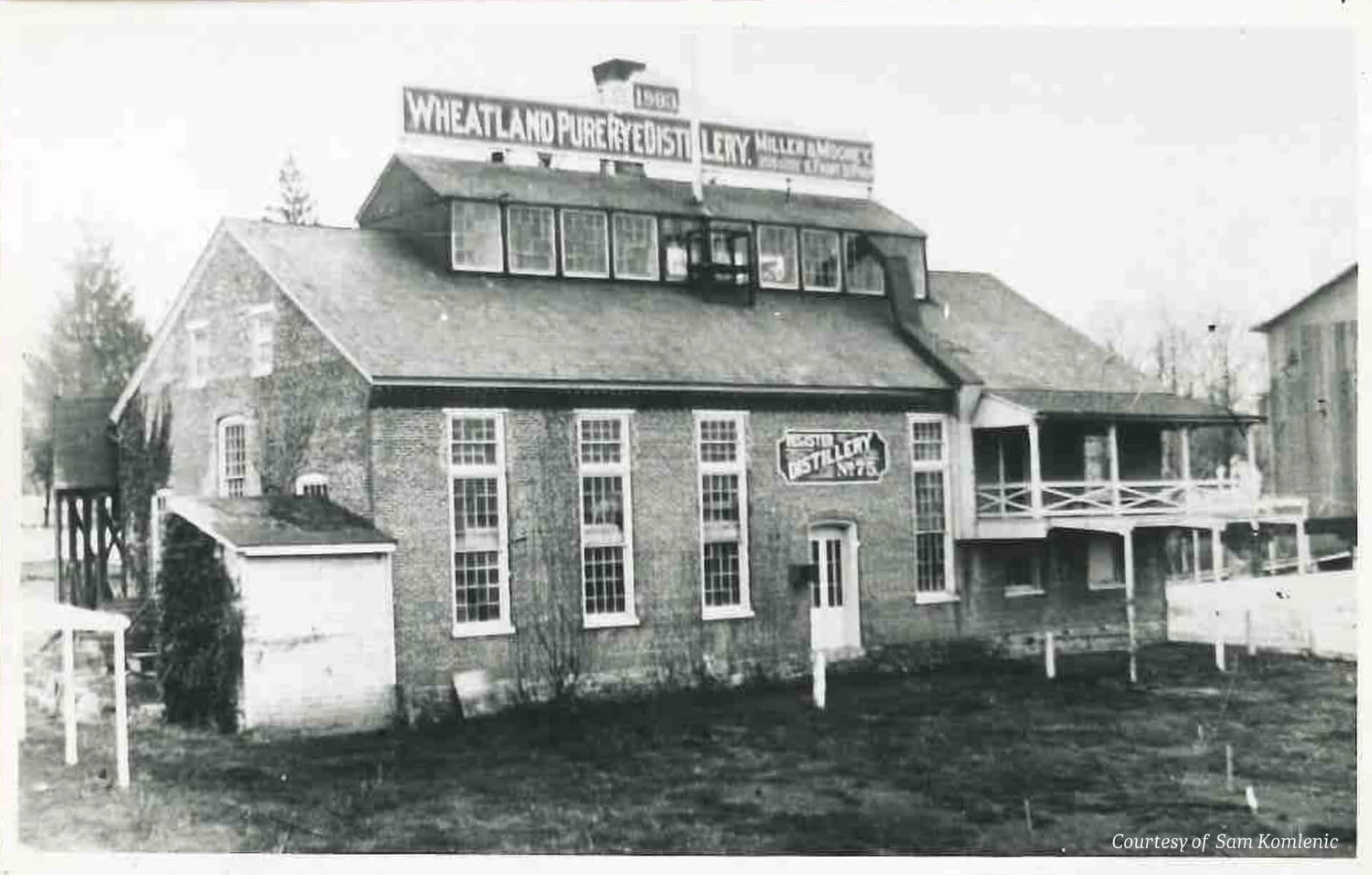
Long before Kentucky bourbon was fetching eye-watering prices at auction and big brands were dominating the world whiskey stage, there was Pennsylvania Rye, America’s first true whiskey love affair. From the late 1700s until Prohibition in the 1920s, Pennsylvania was America’s whiskey juggernaut. Whiskey from our great state was mostly rye and was known for its big flavors. Instead of names like Beam or Jack being tossed around, we had Overholt, Dillinger, and Thompson. But Prohibition eventually reared its ugly mug and brought PA Rye to its knees. At the end of Prohibition, Kentucky Bourbon had a leg up on us thanks to some generous agricultural subsidies supporting corn (rye was not included) and the fact that Pennsylvania sweet mash rye is more difficult to make than the south’s corn heavy drams. By the time the 2000s rolled around, there was very little rye being produced anywhere.
But thanks to the curiosity and tenacity of some of the world’s great bartenders and whiskey historians, rye has made one hell of a comeback over the past 20 years. Here at Iron City Distilling and Bessemer Spirits, we’re playing a vital role in resurrecting a style of whiskey that the world hasn’t tasted in over 100 years. The future is looking delicious.
Live Q&A
Ask the Distiller
Submit your questions to Matt, and we’ll publish his answers to the feed!
What is a Three Chamber Still?
Why is a Three Chamber still different than other stills?
The Three Chamber Still is an operational oddity. Diagrams, flow charts and schematics don’t really do it justice (and the visual aids tend to get really confusing, anyway). If there were such a thing as a three chamber’s “secret sauce” it would be that these stills operate under increased pressure, approximately 3psi above atmospheric. What that quirky little bit of science means is that these stills boil liquids at much higher temperatures which allows them to better extract flavorful acids, esters, and essential oils from the grains. This produces a highly characterful whiskey that is unlike anything else out there.
Why do you heat your warehouse?
Our goal is to produce the most accurate representation of pre-Prohibition Pennsylvania Rye that we can, and that one aim has forced us to go down some bizarre conceptual, scientific, and engineering rabbit holes. Historical records in the world of whiskey suggest that Pennsylvania distillers before Prohibition favored the use of heated warehouses. The theory being is that by subjecting the wood to constant heat year-round, the pores of the wood remain more open and allow for a greater exchange between oak and spirit. To the best of our knowledge, we are the only continuously steam heated warehouse in the country. And if we’re being painfully honest, we weren’t really sure what was going to happen when we first set those thermostats. It was a gamble since no one really knows when the last steam heated Pennsylvania whiskey warehouse finally shut its doors. But we figured our distiller forebears must’ve known something good would come out of all that heat or else they wouldn’t have been so dogged about the whole thing. We’re happy to report that they indeed were on to something. The whiskeys in our warehouse emerge with a focused intensity and balance from the grain and the barrel.